


July/August 2024 – Colombia
Read the previous chapter to this story here.
Just a day or two after getting my new bike, I set off on my first expedition. I had been itching to get out of the city since I arrived in Medellin several months earlier, and I finally had a taste of freedom and the fresh country air once again.
Without bringing any gear and hardly any money (of course I had my laptop in my backpack in case I needed to work on something for my clients), I headed out into the bustling city, aiming to find its exit, and see what lay beyond its borders. I might check out some pueblos, I might even go to the coast if I was feeling confident. Time would tell.
Medellin to Santa Fe de Antioquia
Leaving Medellin involved going to the western edge of the city, and climbing along a steep highway that wound into the mountains. Looking back, you could see a panoramic view of the city. Buildings became more informal and seemed less like they were trying to keep up appearances and more like they were just trying to scrape out a living in along the mountainside.
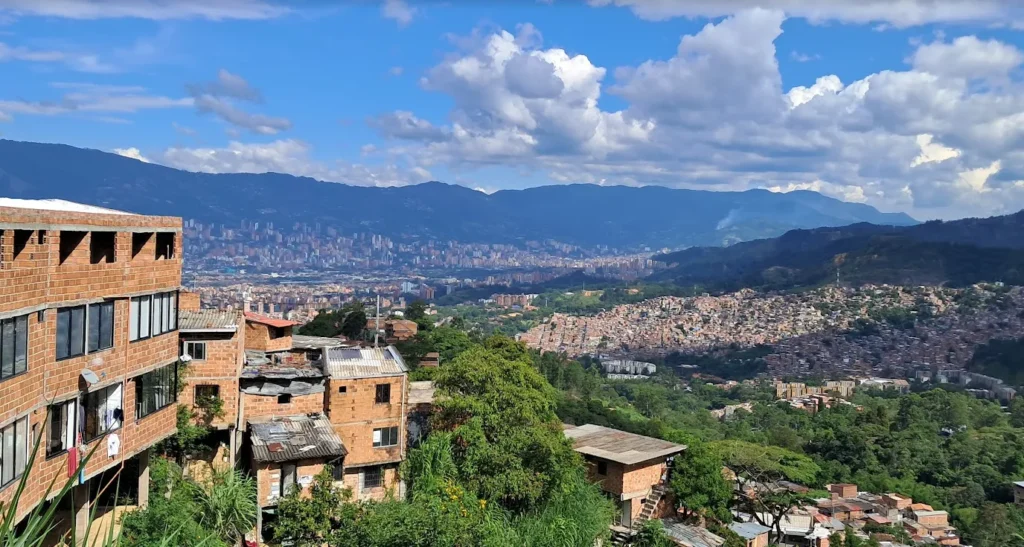
The ride to Santa Fe de Antioquia was beautiful. I stopped along the way a few times to take some pictures. By the time I got there, after about an hour and a half, it was nearing the hottest part of the day. And Santa Fe was one of the hottest places in Colombia, so I was roasting.
Santa Fe de Antioquia was an interesting stop on the map. Founded way back in 1541 by the Spanish conquistador Jorge Robledo, it became the original capital of Antioquia and one of the richest mining towns in the region. Colonial architecture, stone streets, whitewashed balconies, and old churches still standing tall. The place is quite a national monument.
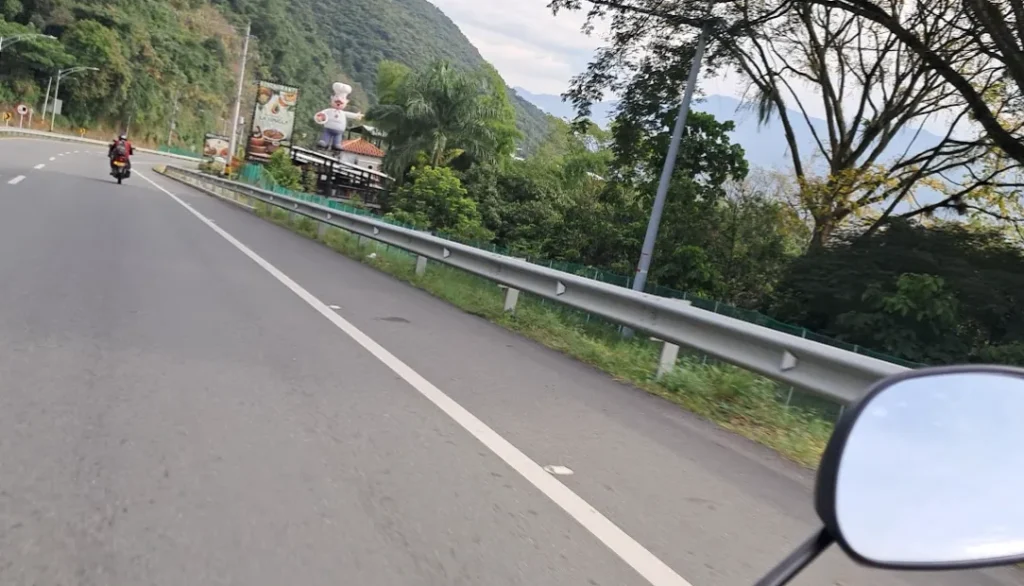

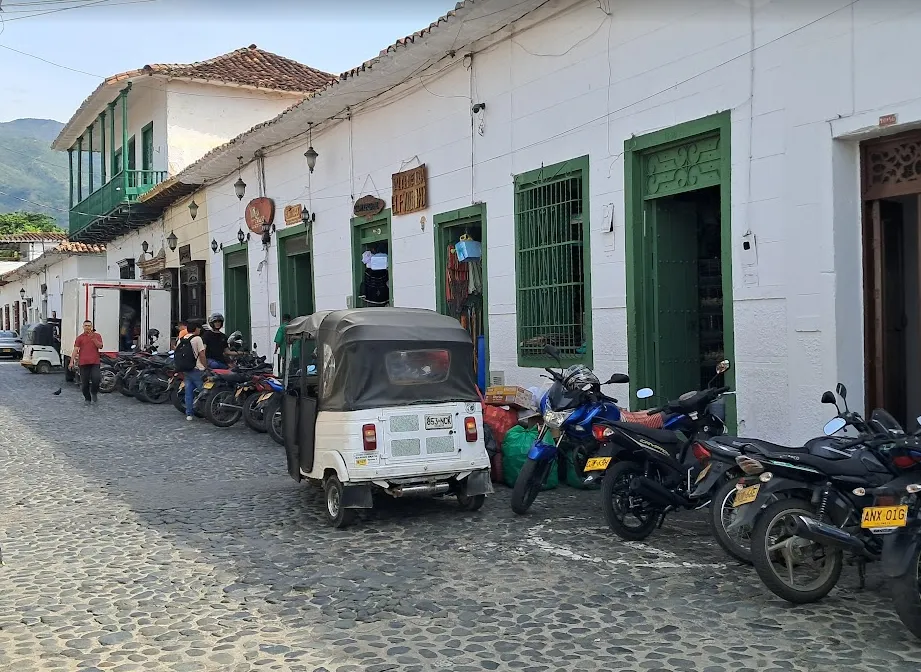
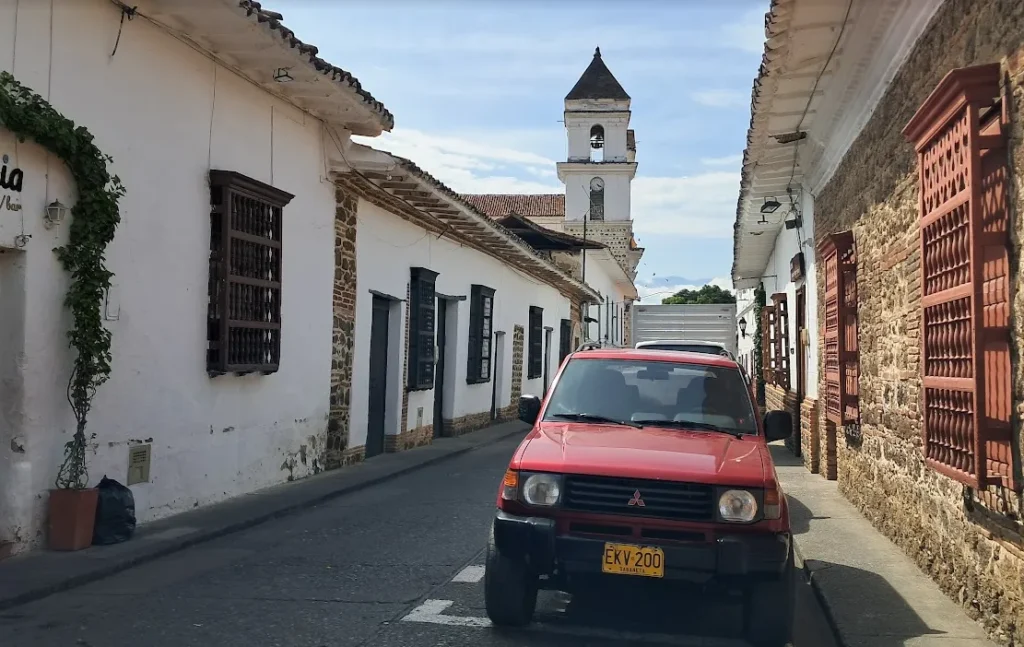


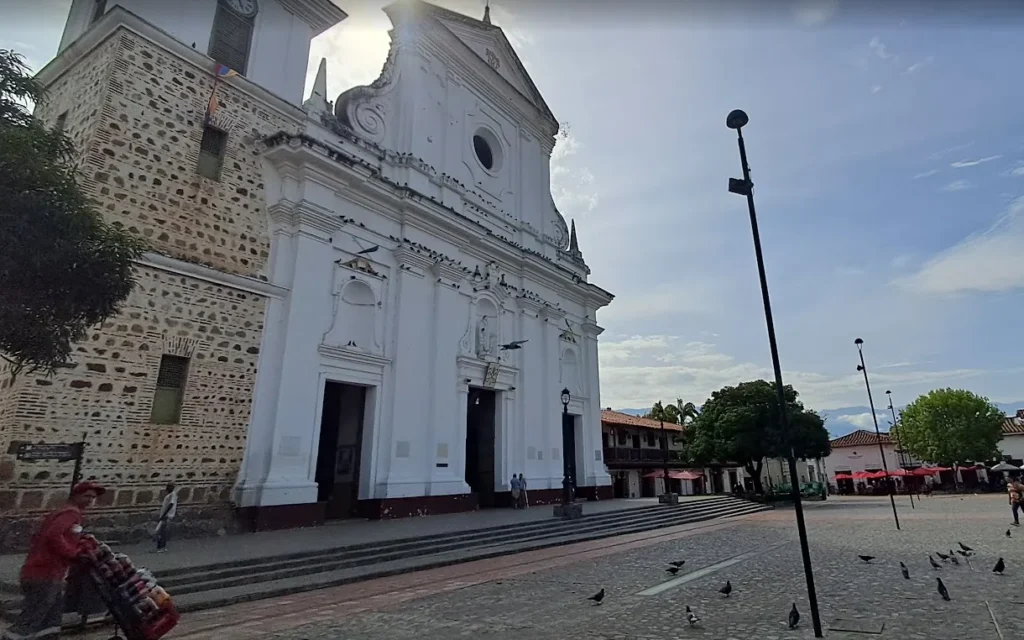
I checked out the sights and sat in the shade for a bit. After enjoying a breakfast beer and copping a smoke from one of the many street vendors, it was time to make up my mind. Should I head back to Medellin and call this a successful day trip or should I keep heading down that road and see what lay up ahead? I didn’t plan to go all the way to the coast originally, but now the idea was beginning to take hold.
From mountain to jungle
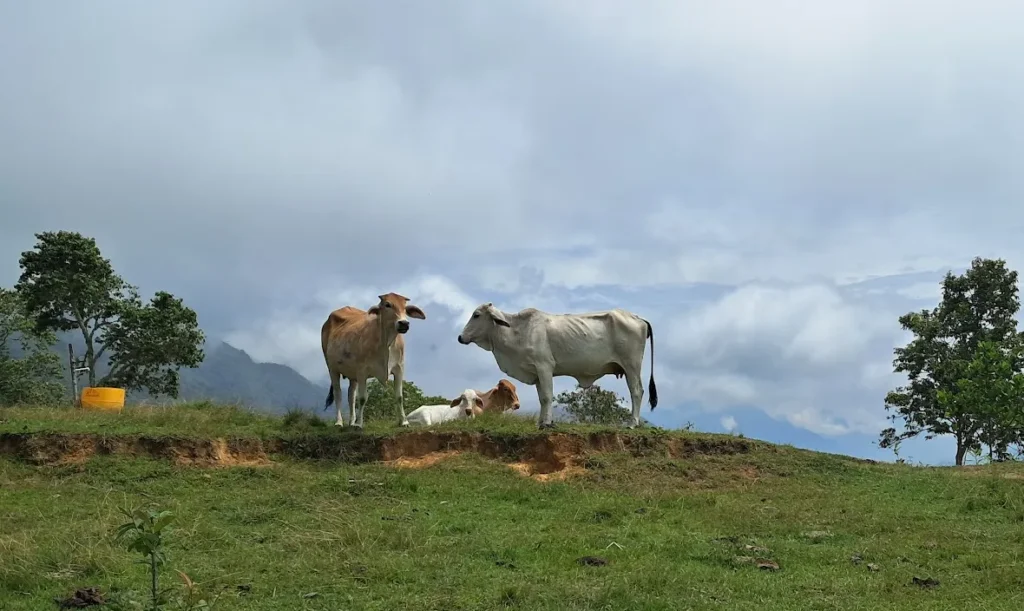
Heading north out of Santa Fe, the elevation increased and the scenery grew more mountainous. I met some cows along the way after making my way into the clouds. I will always remember them as the sky cows that stopped to look at me as I stopped to look at them. Perhaps they might also remember me, if they weren’t steaks by now.
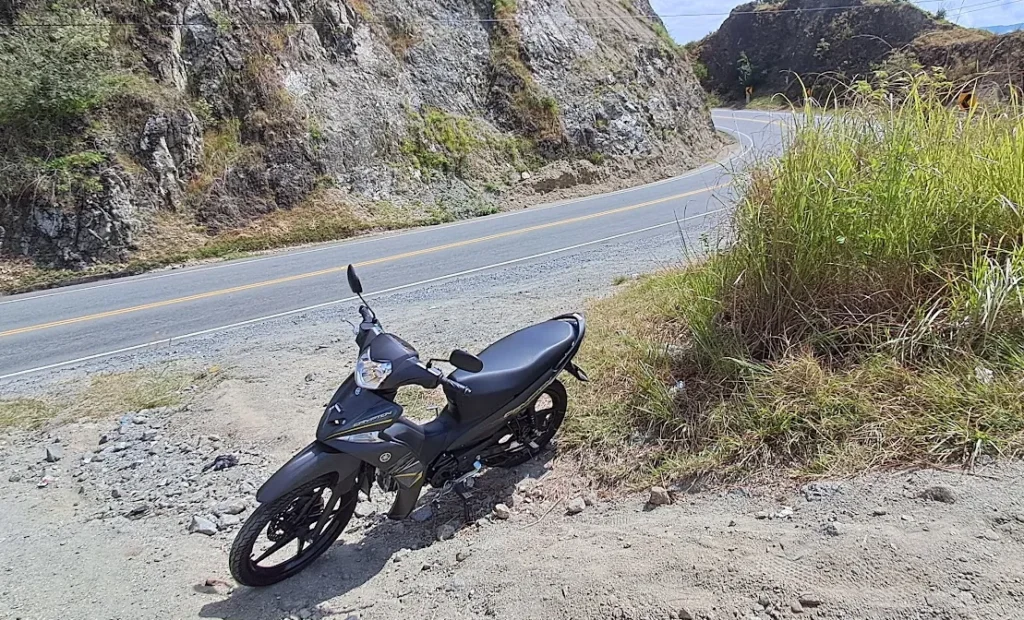

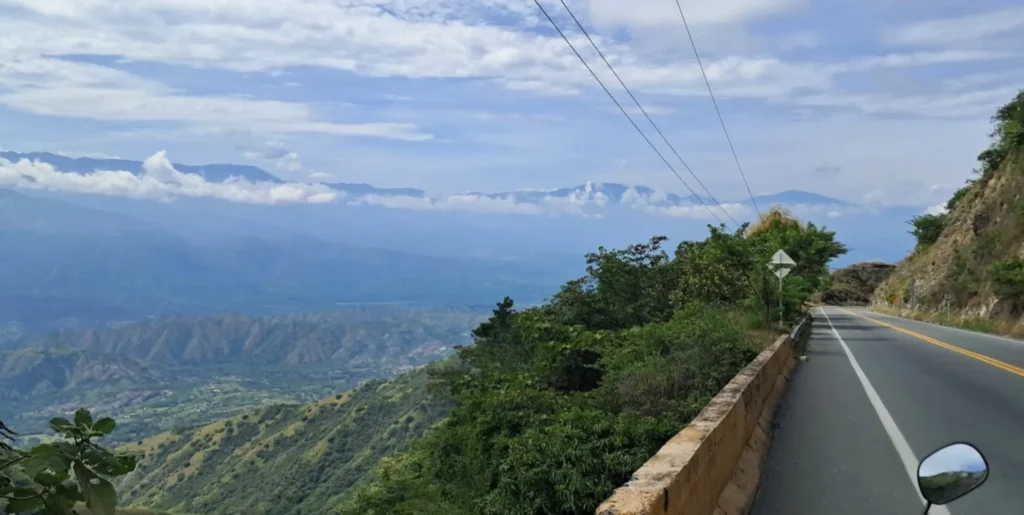
Shortly past noon, I arrived in the pueblo of Cañasgordas. People have been living here for centuries before conquistadors. But the Spanish had been around since the 1780s, when Jorge Robledo named it San Carlos de Cañasgordas after the thick guadua bamboo that covers the hillsides. It didn’t become its own municipality until 1823. Even through the rain, mountains, and isolation, people here still call it Paraíso.
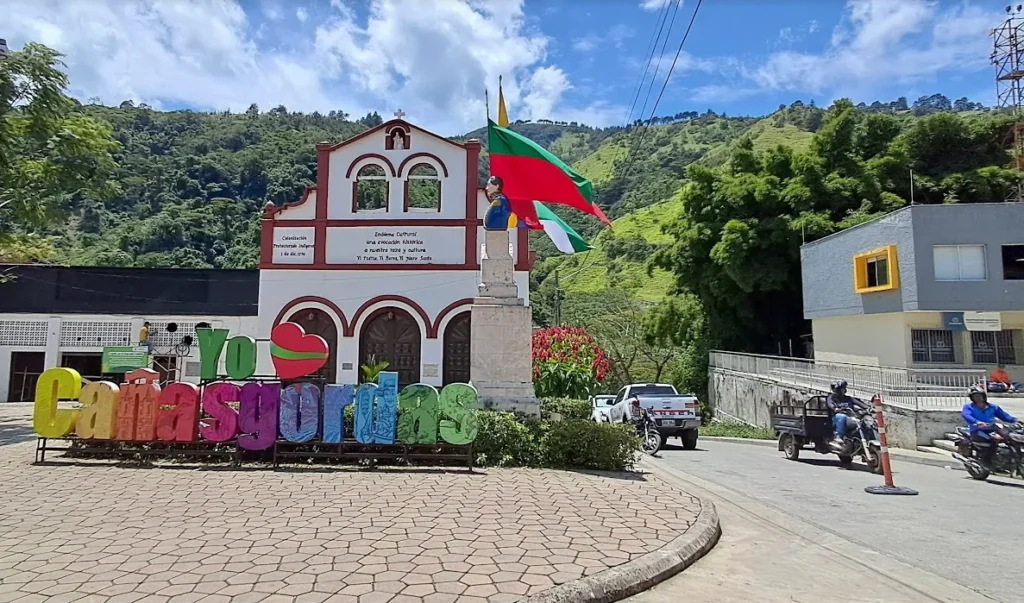
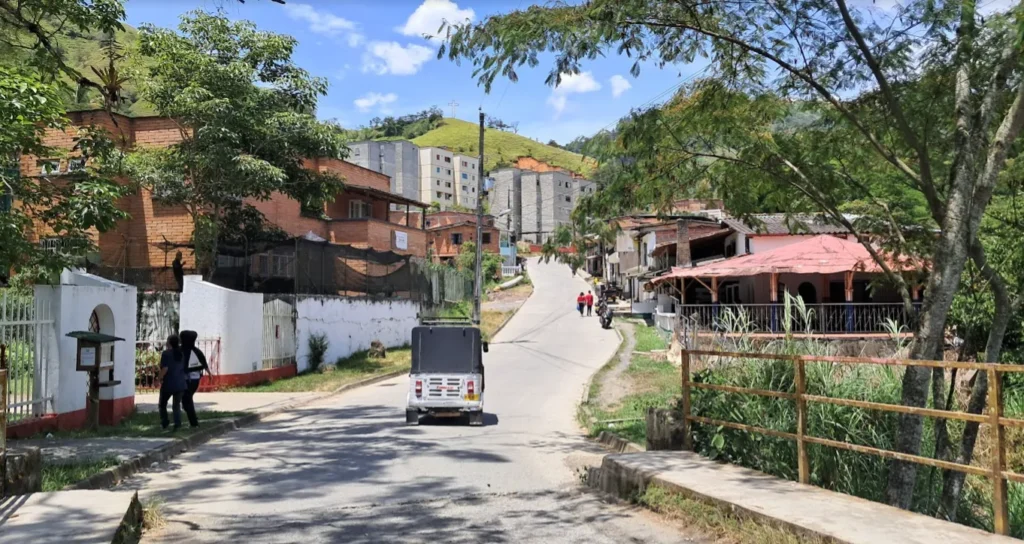
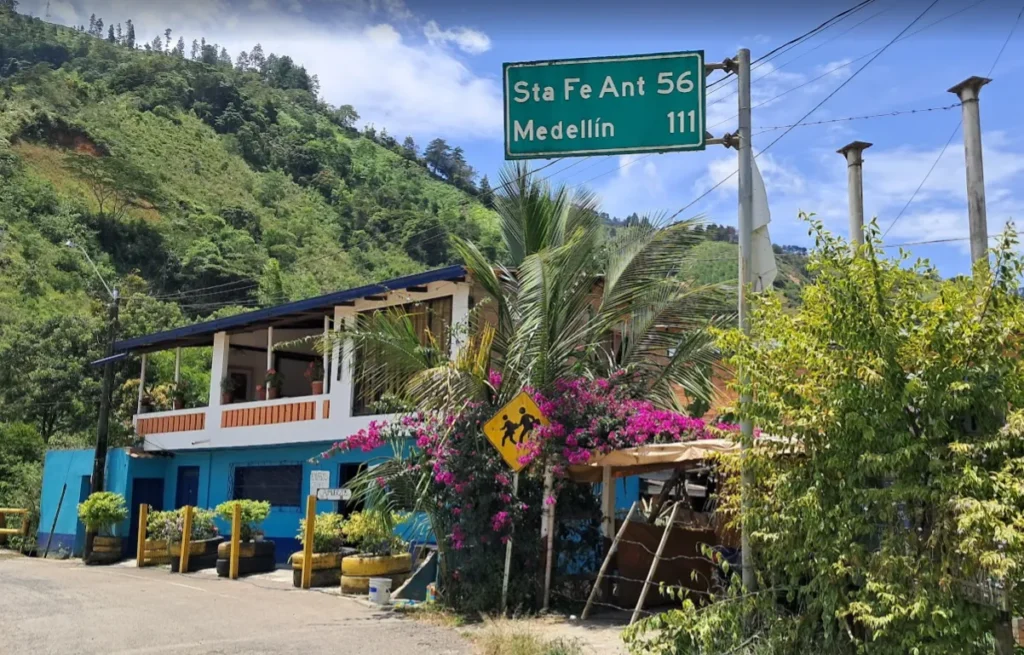
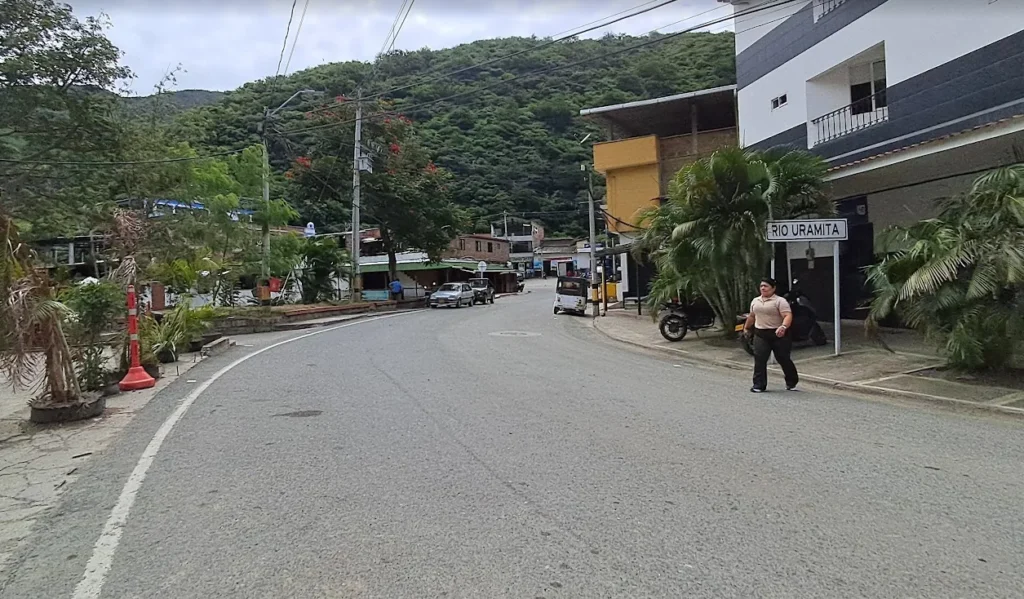
By now, I was several hours away from Medellin, so I started to seriously consider continuing on to the coast. I kept driving the way I had been, looking to see what was next, then I would decide. The tank was starting to fall under halfway full, so after another half hour or so on the road, I stopped for gas in Uramita.
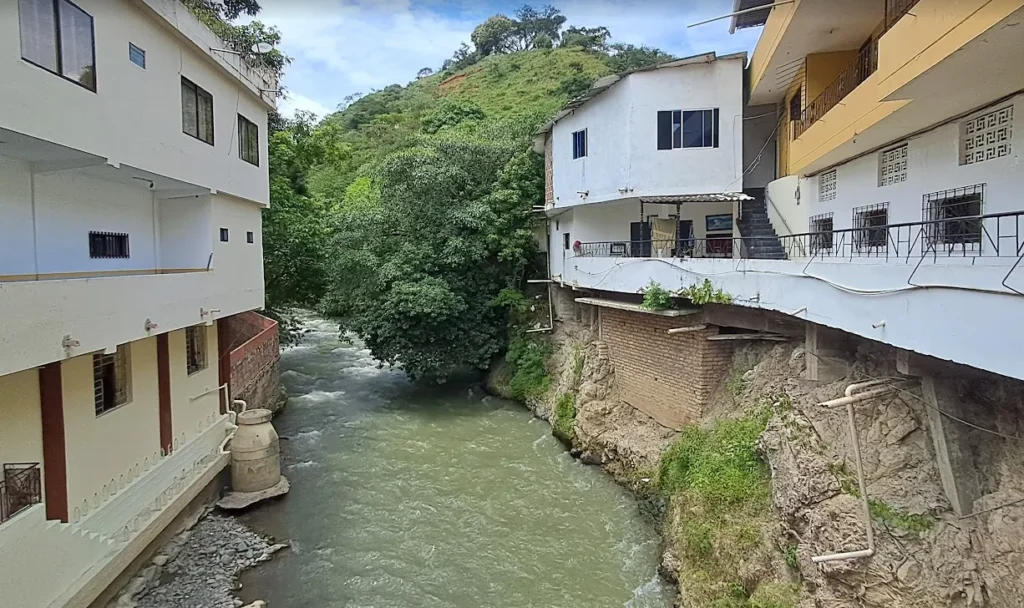
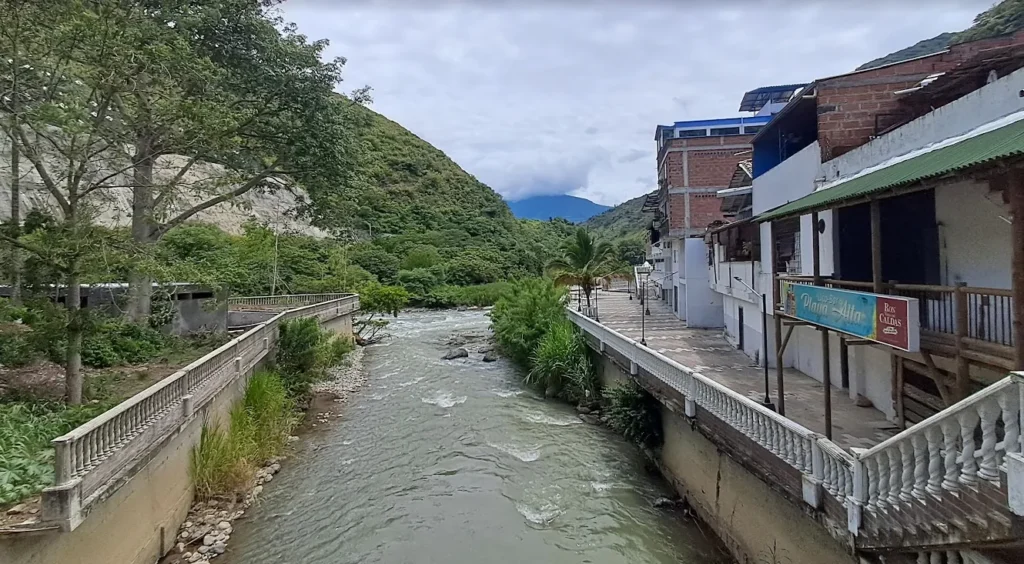
It was a tiny town with not more than a few dozen buildings, almost all of them were hugging the river that shared its name. There must not be any risk of floods here, because the buildings were constructed fearlessly along its banks.
Getting soaked in Mutata
I didn’t know it at the time, but the area I was about to ride through bordered the Choco region of Colombia, which was not just the rainiest area in Colombia, but among the rainiest places in the world, with over 300 rainy days per year. The climate in this area guaranteed that almost every afternoon would deliver a strong rainstorm.
The below are the only pictures I was able to take before involuntarily becoming an amphibious moto rider.
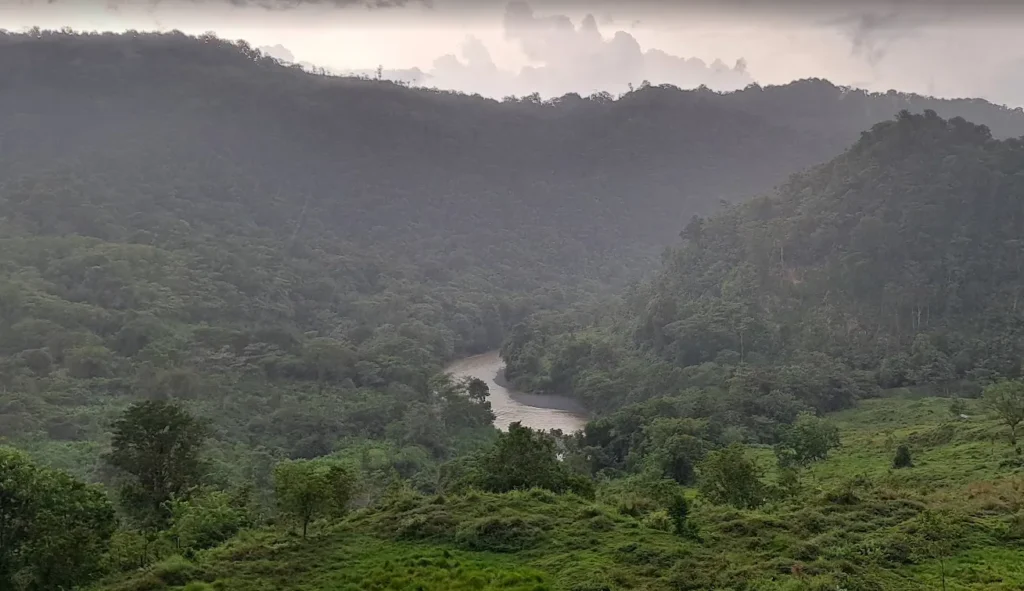
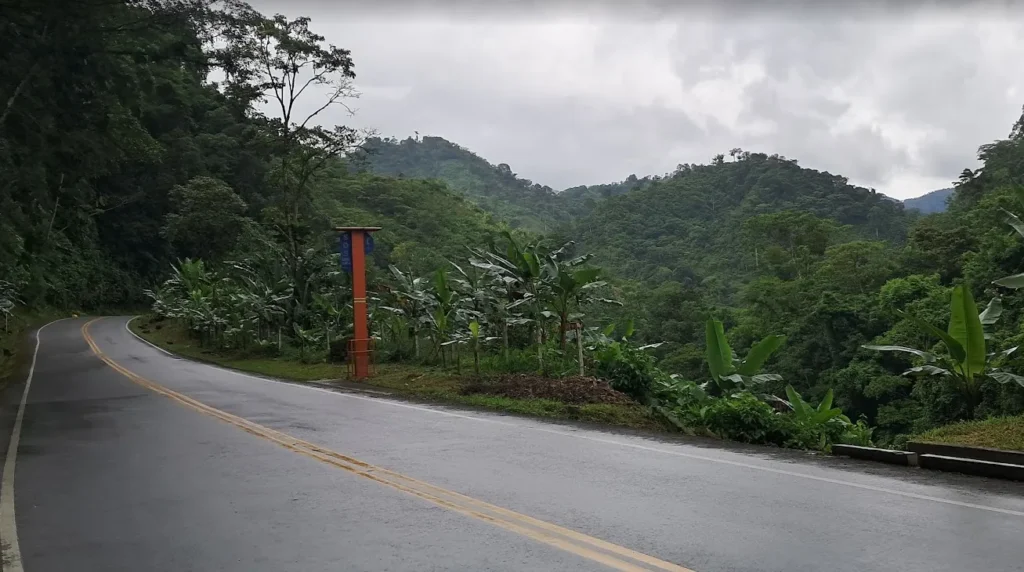

The rain came all at once. One moment it was clear, the next I was swimming. While it was a pleasant enough rain, not too cold, I quickly became soaked, and riding was terribly uncomfortable. After about an hour of this, with no end to the rain in sight, my clothing and backpack soaked, unable to see through the rain or even feel my tires on the road, I ducked into a gas station for cover.
I scanned nearby shops from afar, hoping to spot a raincoat or dry socks, anything to save my feet from trench foot. But found nothing. The town I was in, Mutatá, lives on agriculture, manioc, pineapples, and also leans into eco-tourism, with many rivers and waterfalls nearby. I would have taken pictures, but I was barely able to use my phone through the rain.
I headed back out on the road, making my way slowly off the mountains and out of the rainforest. The rain didn’t let up until I cleared the region and crossed into Las Hamacas.

Approaching the coast
I enjoyed breezing through the flatlands, letting the wind dry my clothes, and before long I was in the next town: Apartado. I stopped for some tasty fried chicken, as I hadn’t eaten anything since breakfast (which was just a beer anyway). The fried chicken in Colombia is on another level. You wouldn’t expect it, given that Kentucky seems to have a monopoly on what people think of when fried chicken comes to mind, but the Colombians were enjoying fire pollo frito long before the colonel.
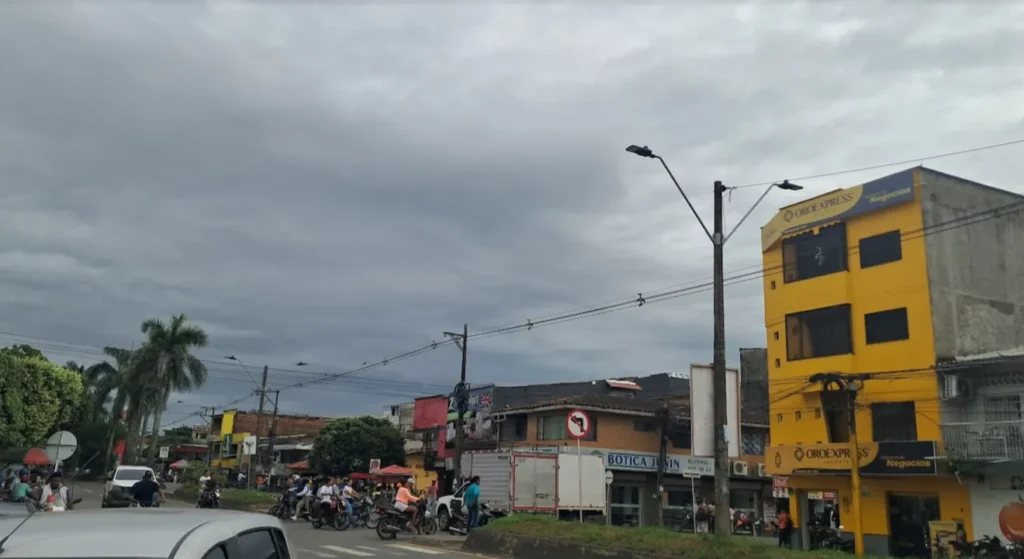
Apartado gave off a rougher vibe, and was noticeably less showy than the pueblos closer to Medellin. The economic heart of the Urabá region, built on banana and plantain exports so vital that its name actually means “river of plantains” in the pre-Spanish native language. It’s a real mix of culture and commerce, a crossroads for farmers, merchants, and refugees. Agriculture booms next to the raw edges of a tough, frontier town.
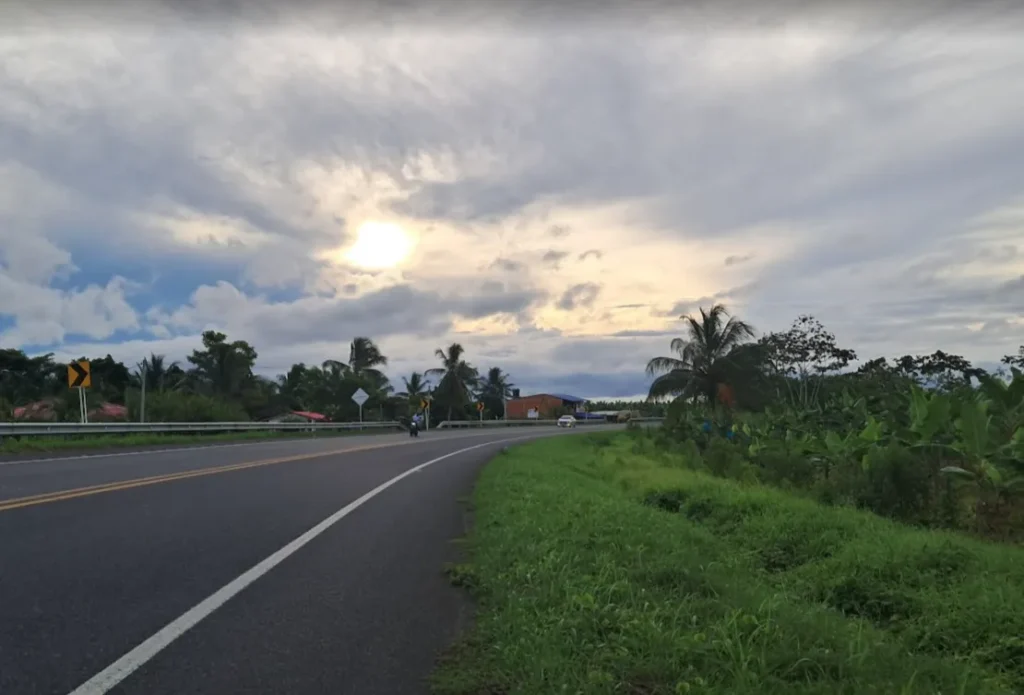
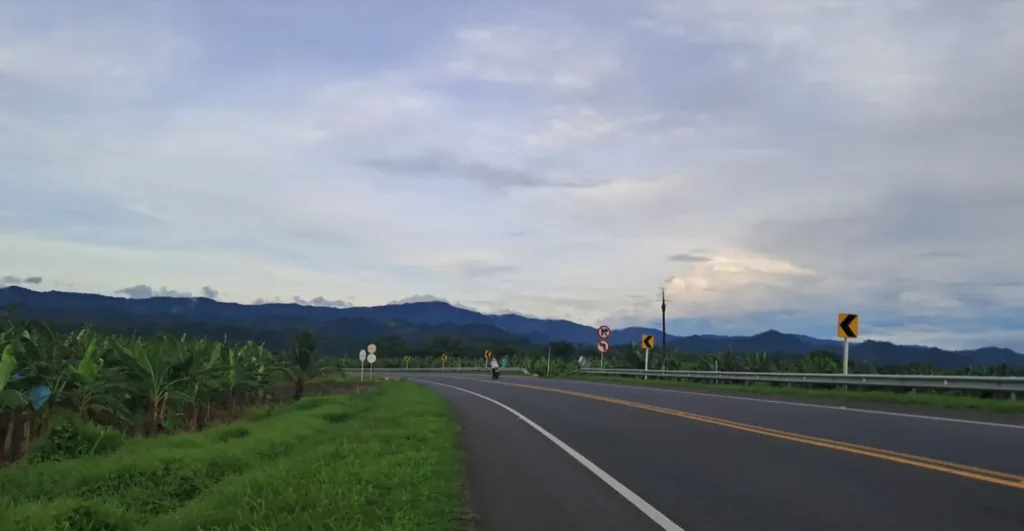
Leaving Apartado, it was a straight shot to the coast. With only about an hour to go until dark, I was hauling as much ass as I could on my little bike. Mountains behind me, and fields of plaintains as far as the eye could see, it was a beautiful sight.
Closing in on the coast, I saw dozens of people parked along the sides of the road with their motos, and more slowing down to join them. There was trouble ahead. I pressed on. To my dismay, there was a military checkpoint ahead, and they were stopping everybody. There were very real problems with drug trafficking and refugee movement in this area, so this was no surprise. I was stopped, and after having my bag and bike thoroughly checked, they let me continue on with no fuss. Fortunately, all my papers were in order. I can only imagine that everyone who was waiting around before the checkpoint wasn’t quite as lucky.
Arriving in Turbo
Right as dark was beginining to creep up on me, I made it into Turbo. A dusty port town, it is a major hub in Colombia’s Urabá region, built on bananas and boats, but also layered with migrant traffic. It sits at the end of the Pan-American Highway, right before the Darién Gap swallows the road into jungle. Thousands of refugees arrive here after trekking north through dirt and danger, either stepping off boats or being dropped on crowded beaches as they wait for their chance to continue north, or turn back.
It was dirty and rundown. The architecture was old and the air was polluted, yet this environment mixed with palm trees and winds blowing in from the ocean. I knew I had to stop for the night, but the center of town was no place for a tourist. So I went straight to the beach, hoping to find a cabana or ocean-front spot where I could have some security for my moto. This is where I stumbled on Playa Dulce. People were chilling on the beach, blastin salsa and grillin. I knew I found the right spot.
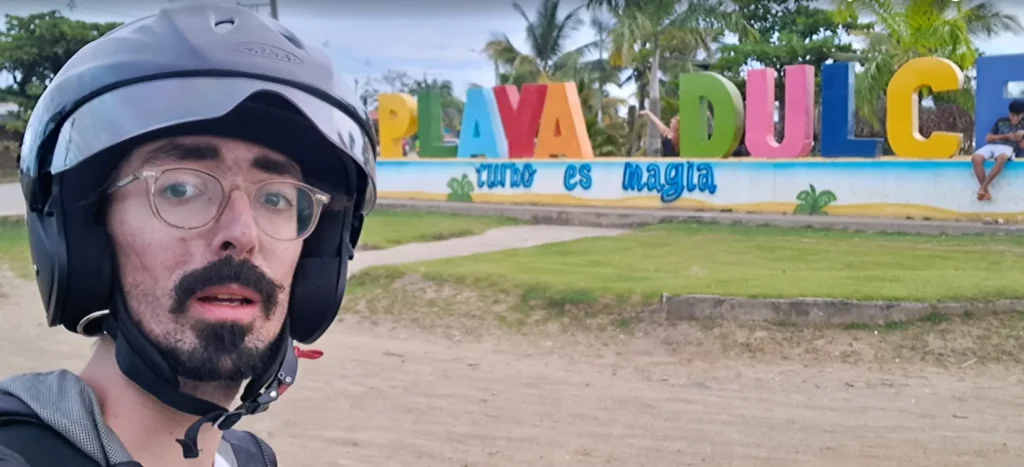

The roads were a mix of cobblestones, paver blocks, and sand. I headed down this road and pulled into the first place that looked vaguely like a hotel. There was no cell service at this end of the town. I couldn’t Google a better option. So, I parked my bike and hoped for the best.
It ended up being a win. The Hotel Playa Mar looked rough from the street, but I found some friendly folks here, a room that came out to roughly $20 USD, and a place to park my bike since the parking lot was locked up at night. They served some type of fish for dinner, which I enjoyed before calling it a night and getting some sleep. With no WiFi or TV to occupy my mind, I quickly fell into a disturbed sleep full of nightmares about being kidnapped and sold into slavery or my bike being stolen. But alas, no such thing happened, and to my surprise, I didn’t wake up dead.

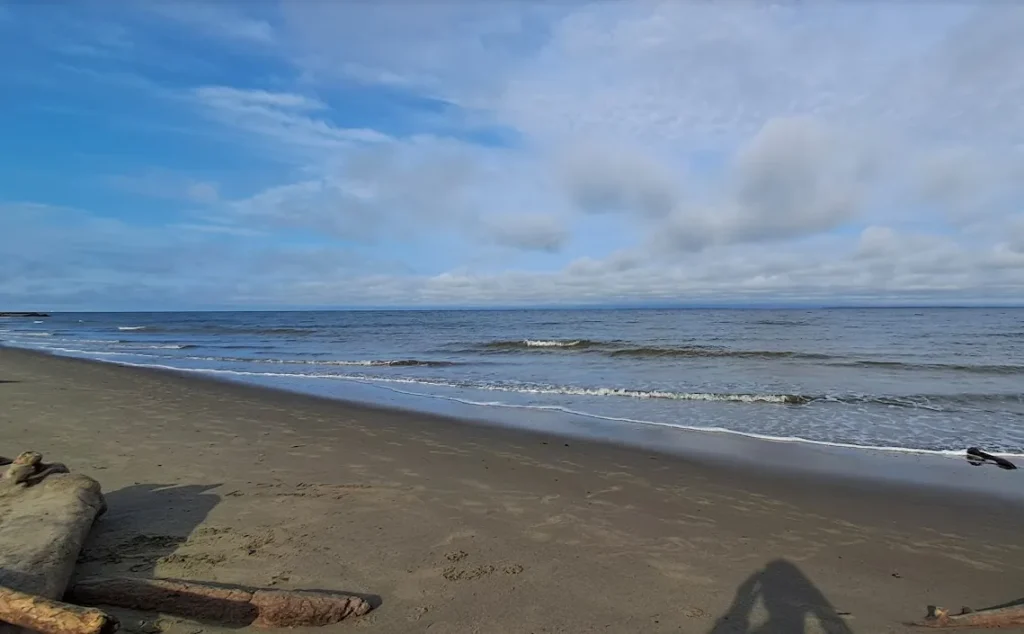
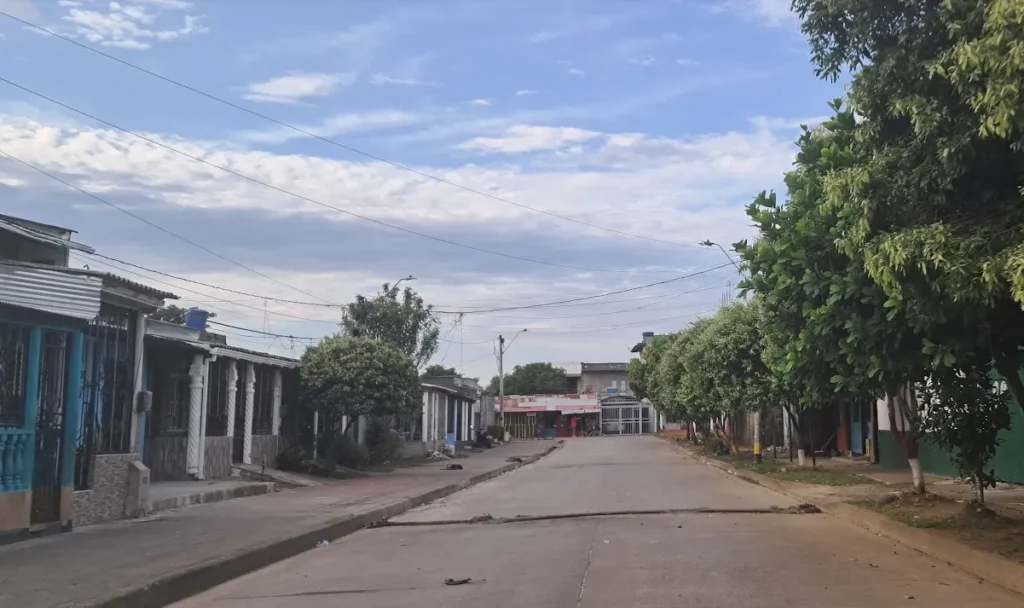

The next morning, I woke with the sun, and hopped on my moto to explore the town before it could finish waking up. The threatening aura I felt the night before was gone, and the streets were bustling with kids on their way to school and street vendors selling coffee and coconuts. I had a little breakfast and headed back to the hotel.
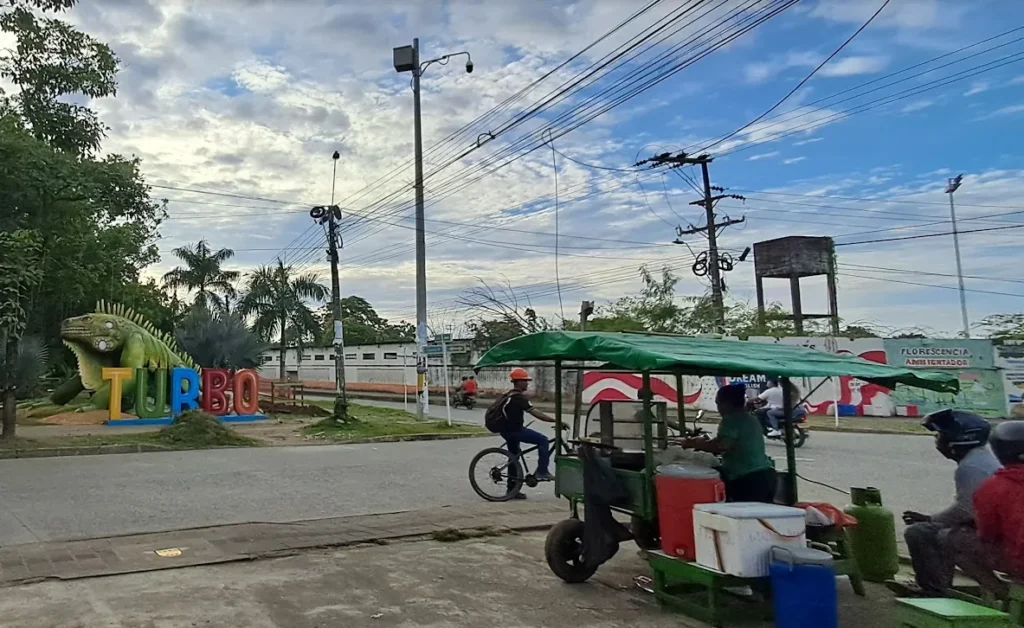
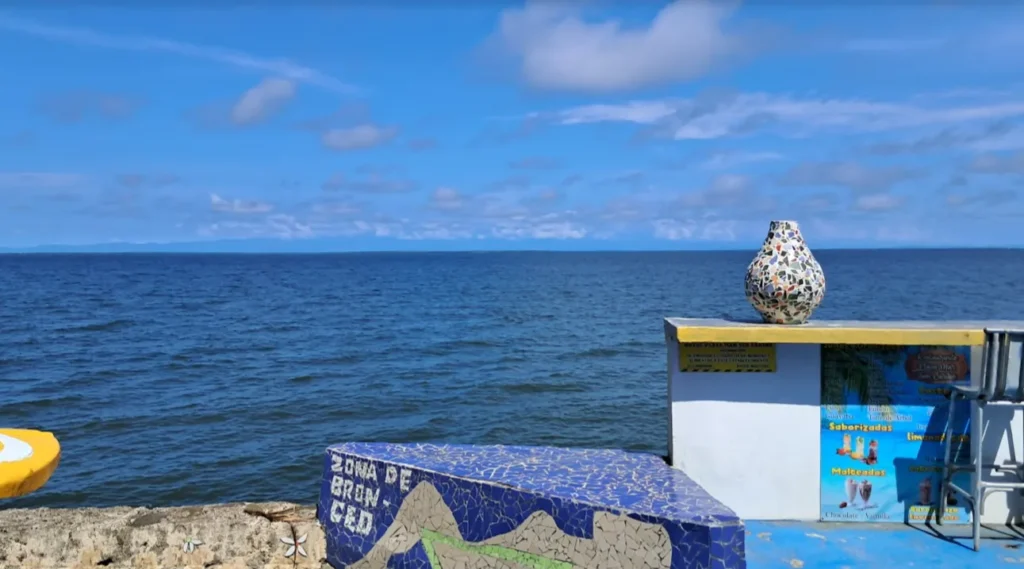
After picking up a pack of Rothmann cigarettes (for roughly $1 and absolutely horrible), I went for a little swim in the water in front of my hotel, and before the morning was out, I was packed up and back on the bike to continue my journey. Turbo was pretty dope. I couldn’t wait to come back, but I was even more stoked to see what other towns lay ahead on Colombia’s northern coast. To be continued!
Leave a Reply